Hello, my colour-loving friends!
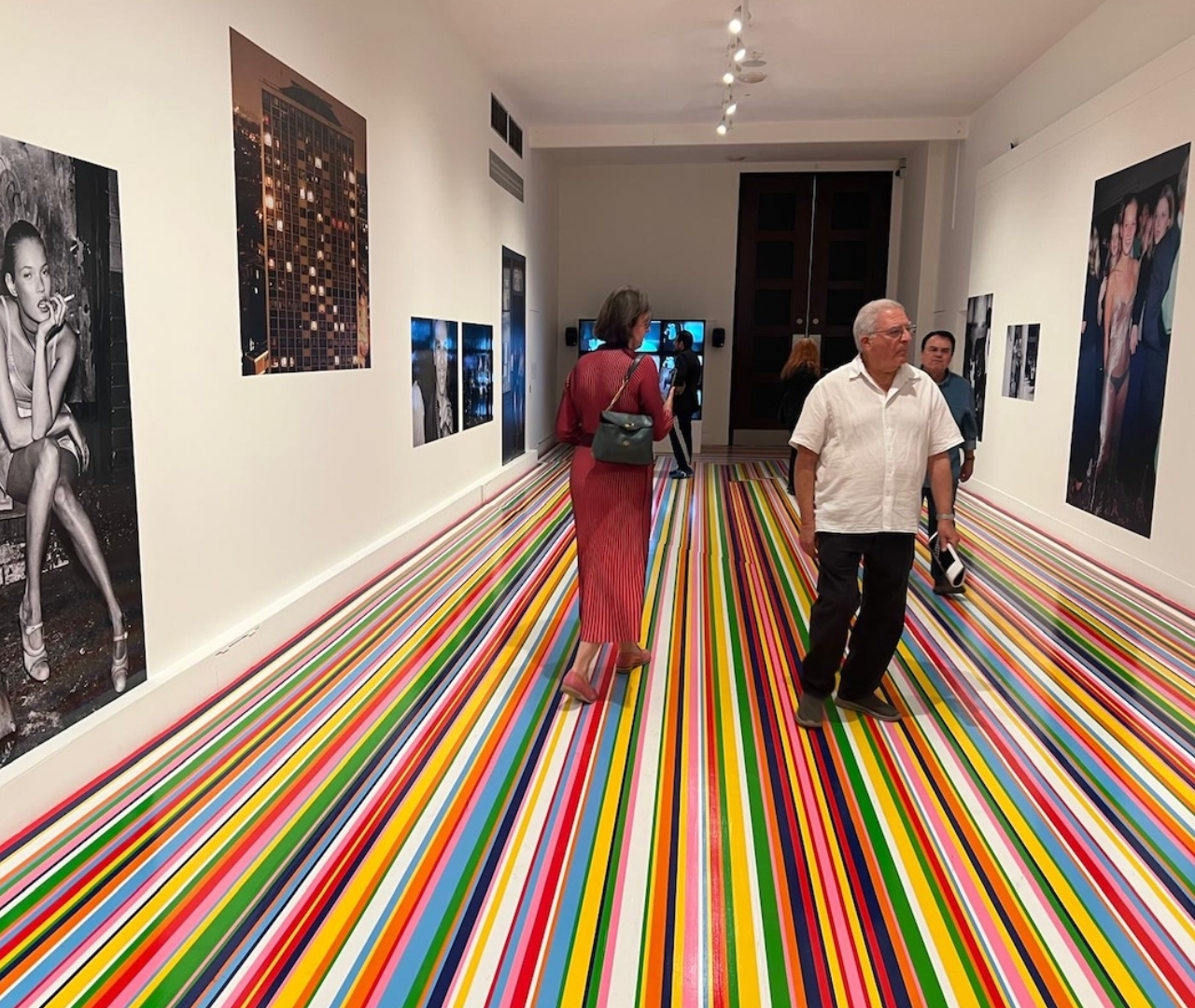
I've been on a fabulous trip down memory lane after visiting The 90s Art and Fashion exhibition at Tate Britain. Oh my goodness, the nostalgia! All that fashion, music, art and glorious creative rebellion. I practically wanted to dig out my old copies of The Face, put on my neon Nike Air max 95’s and go dancing in a field.
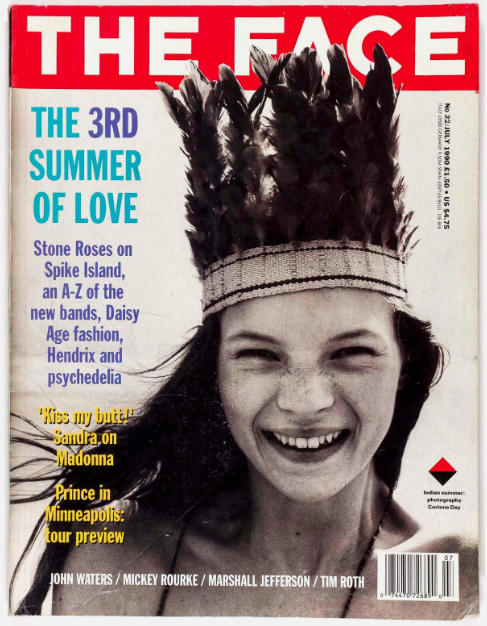
The 1990s were my formative years. I was studying art and design in Brighton, going to raves, devouring fashion magazines and generally having a marvellous time. Corinne Day was photographing Kate Moss, the Young British Artists were causing outrage, and Alexander McQueen was turning fashion into theatre. There was this wonderful sense that anything was possible and it was certainly a wonderful era to be forming my own creative identity.
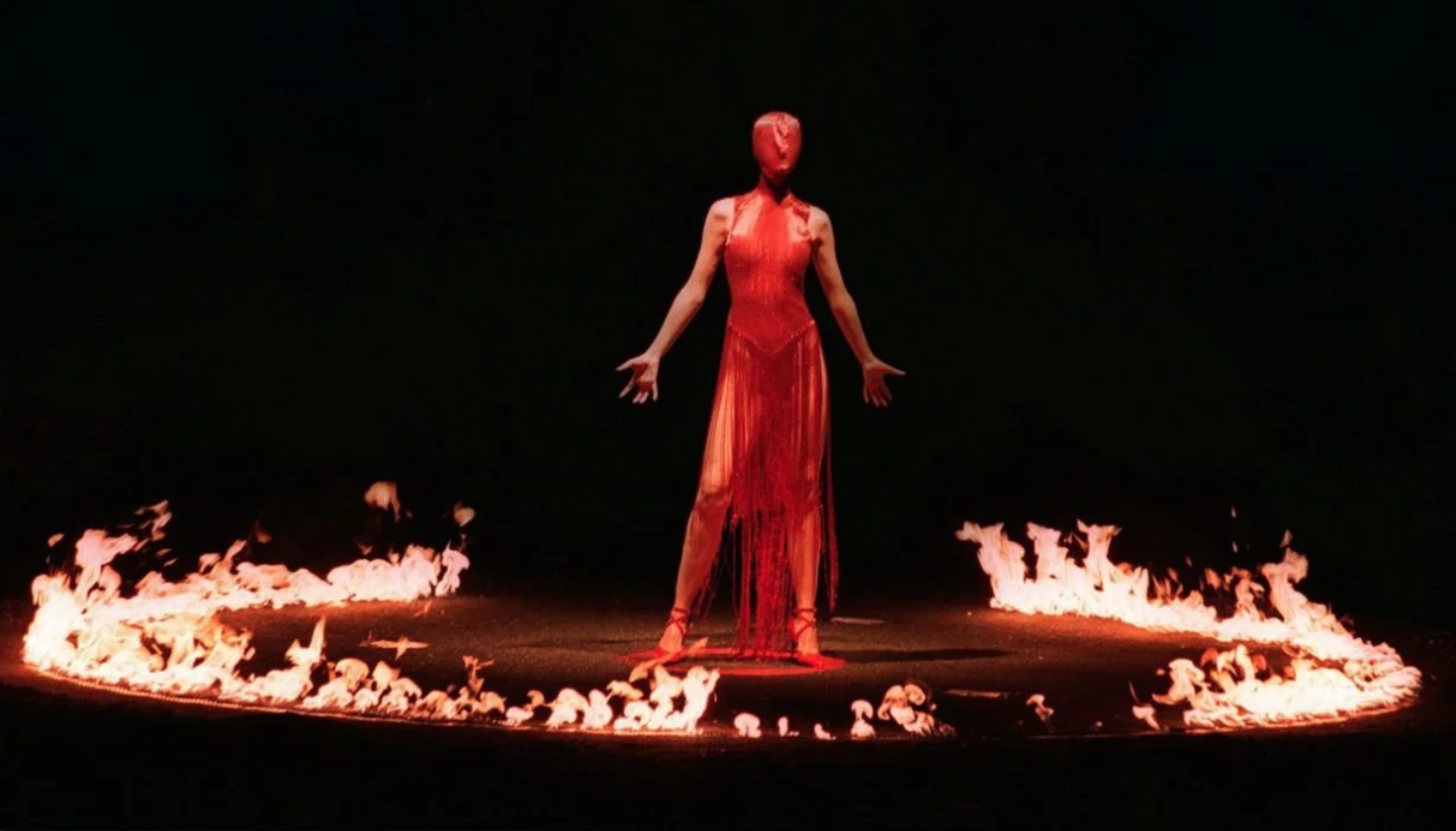
After graduating one of my first jobs was working backstage as a dresser at McQueen's extraordinary Joan catwalk show in 1998, which features in the exhibition. You can watch it here on Youtube. Seeing it again at the exhibition gave me goosebumps. At the time I was simply thrilled to be involved, completely unaware that I was witnessing fashion history.
Damien Hirst, Sarah Lucas and Tracey Emin were challenging the art establishment. My two music icons, Bjork and Goldie were dating. Britpop was booming, rave culture was flourishing and creativity felt gloriously anarchic. Although the authorities weren't quite so enthusiastic. The 1994 Criminal Justice Act famously clamped down on outdoor raves, even attempting to define the offending music by its repetitive beats. Quite an achievement in legislative party-pooping.
From Shoreditch Warehouses to Laura Ashley florals
By the late 90s I'd moved into an open-plan loft in Shoreditch with a girlfriend. And let me tell you, Shoreditch was VERY different back then, still a post-industrial wasteland of empty buildings that hadn’t as yet been snapped up by developers. My flat mate was working for a classic car auctioneer in Kensington and I was starting out as an interior stylist, and East London was all we could afford but I was very much attracted to the rawness and creative energy.
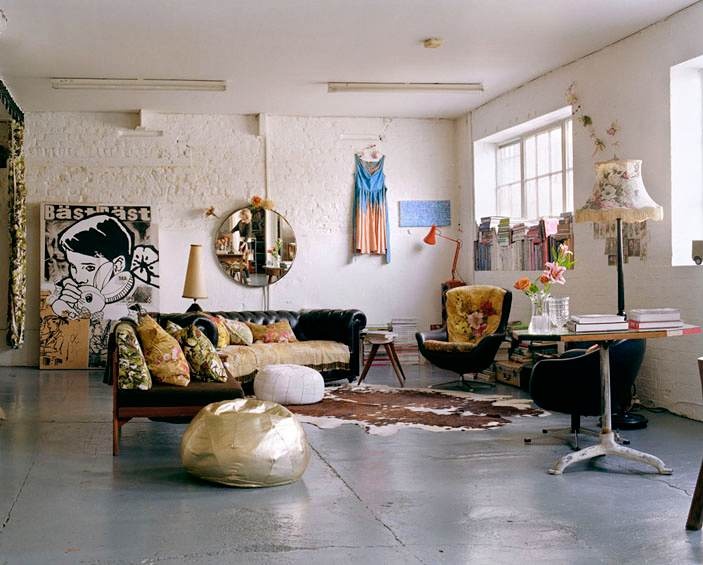
It was gritty, grimy and thoroughly run-down. Old warehouses and converted pubs lent themselves to the creative dwellings of artists', photographers, musicians, stylists and creatives who had gravitated towards the cheap rents and enormous spaces. It was the absolute epicentre of cool, although I'm fairly sure my parents thought I'd lost my mind, I loved the unconventional living.
Loft living was just becoming fashionable, inspired by New York's industrial meat packing district of converted apartments. Exposed brickwork, scrubbed floorboards, battered leather sofas and cavernous open-plan spaces were the look. Furniture was often rescued from skips, while props salvaged from clubs, shops and theatre productions were repurposed as decoration. A giant Coca-Cola bottle in the corner? Why not! The more unexpected, the better.
This wasn't carefully curated industrial chic. It was genuinely rough around the edges, which was precisely the appeal.
And here's where my story gets rather ridiculous.
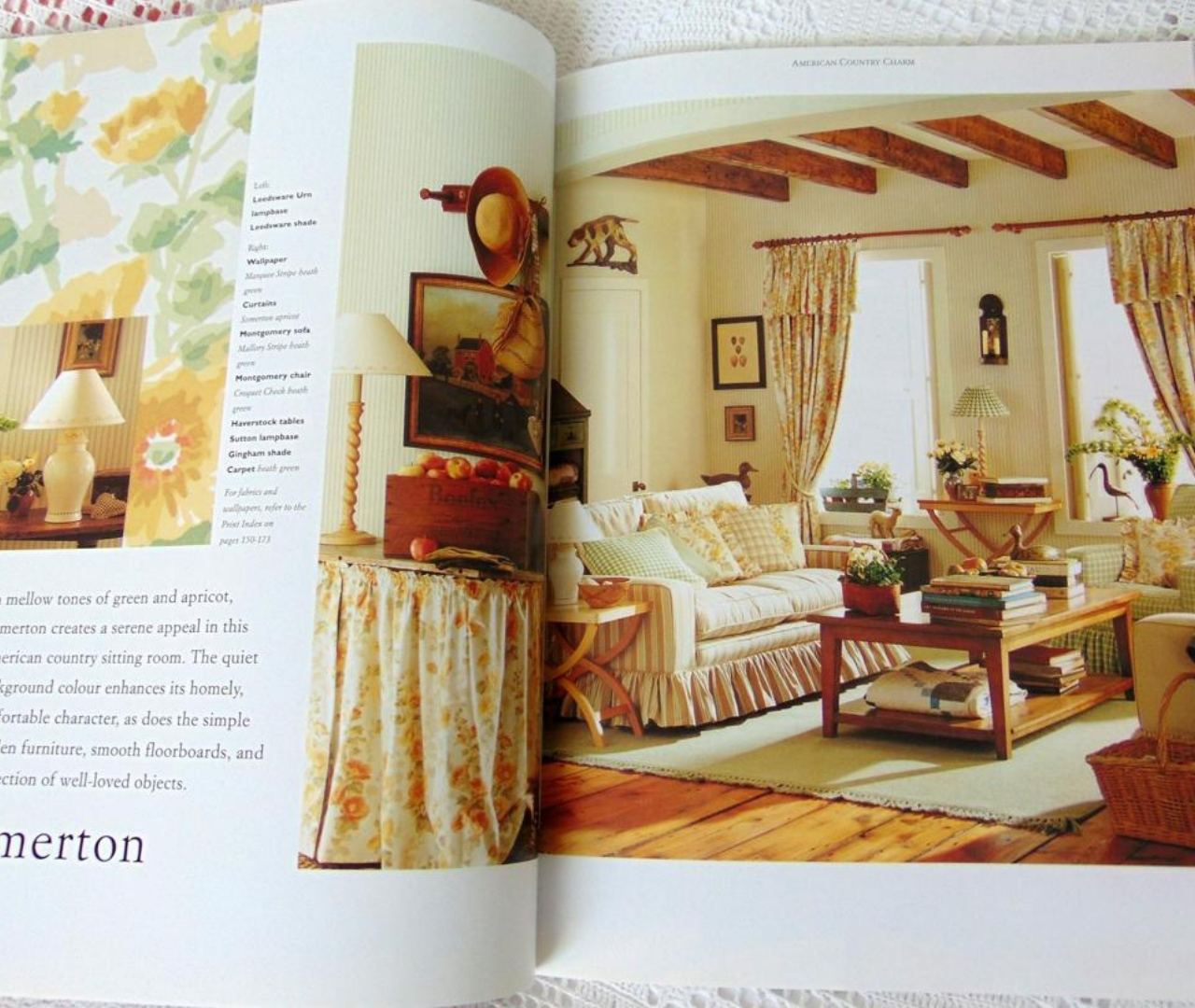
While I was living this cool East London existence, I was also beginning my career as an interiors stylist. One of my regular jobs was assisting on the Laura Ashley catalogue shoots, which meant heading off to Norfolk to style glorious English country houses.
I would swap gritty warehouse living for floral curtains, elaborate tiebacks, antique furniture and beautifully plumped cushions. One minute I was clubbing in the sticky floors of the 333 club, and the next I was arranging chintz in a Country house drawing room and making sure the curtains were hanging just so. Talk about leading a double life!
Maximalism, minimalism and everything in between
The fascinating thing about 90s interiors is that there wasn't one defining aesthetic. Quite the opposite.
At one end we had traditional country-house style. Laura Ashley florals, pine furniture, swags and tails, wallpaper borders and enough fabric to upholster a small village. Decorative paint effects were enormously popular too. Remember rag rolling, sponge painting, stencilling and trompe-l'œil?
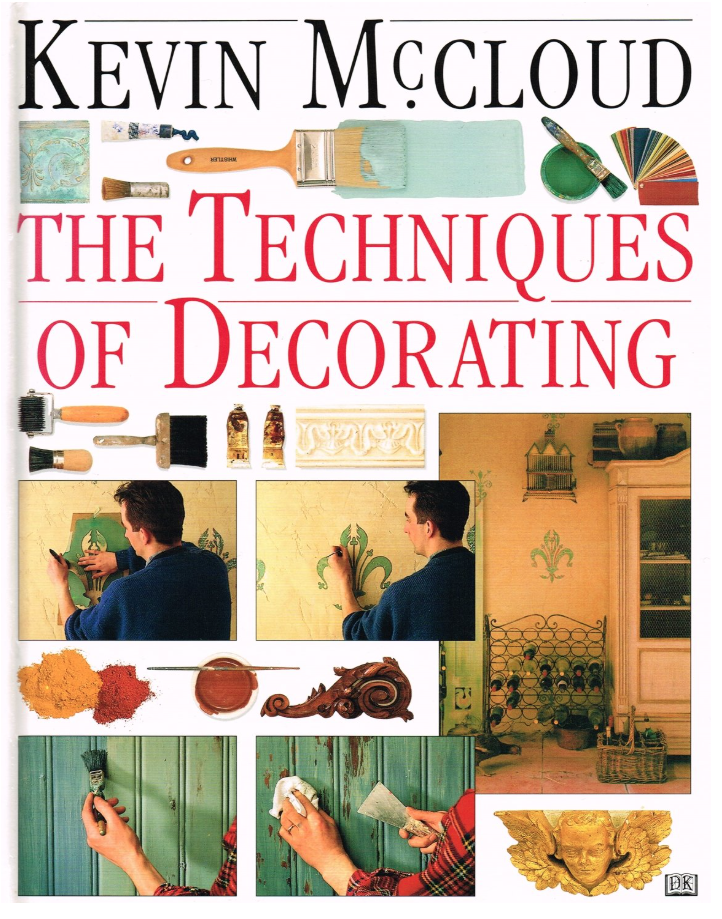
Kevin McCloud, long before Grand Designs fame, was championing the transformative possibilities of decorative painting. His 1990 Decorating Book and 1995 Techniques of Decorating explored everything from marbling and colourwashing to elaborate faux finishes. Why have a perfectly good painted wall when you could spend an entire weekend making it look like an eighteenth-century Italian palazzo?
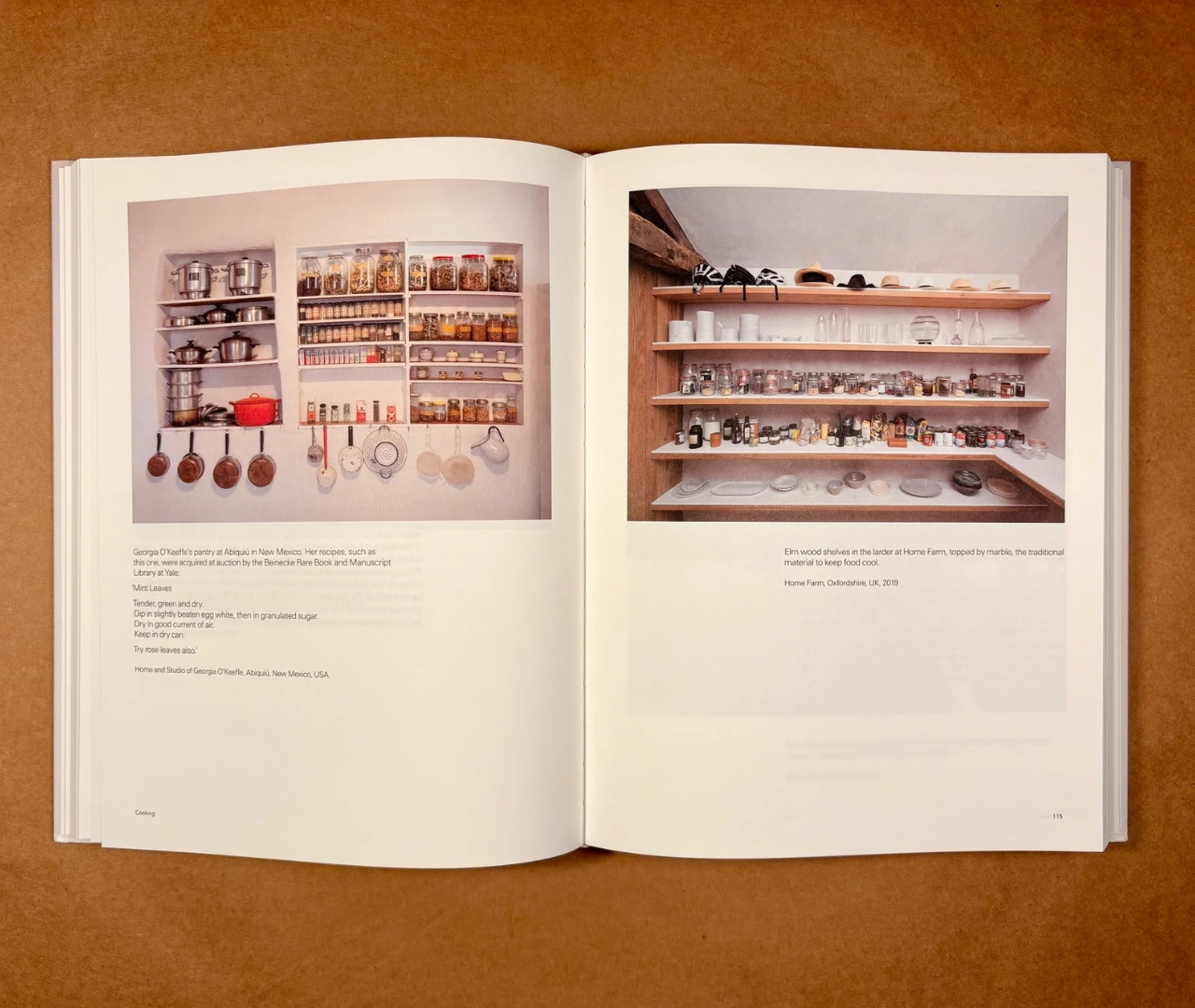
Meanwhile, at the opposite end of the spectrum, architect John Pawson was championing radical minimalism. His seminal book Minimum, published by Phaidon in 1996, celebrated simplicity, space, light and the beauty of stripping everything back.
Think immaculate plaster walls, beautifully proportioned rooms, natural materials and virtually no clutter. A single chair might be considered quite enough decoration. I suspect Pawson and the Laura Ashley styling team would have had rather different opinions about scatter cushions.
And then there were the rock stars of furniture design.
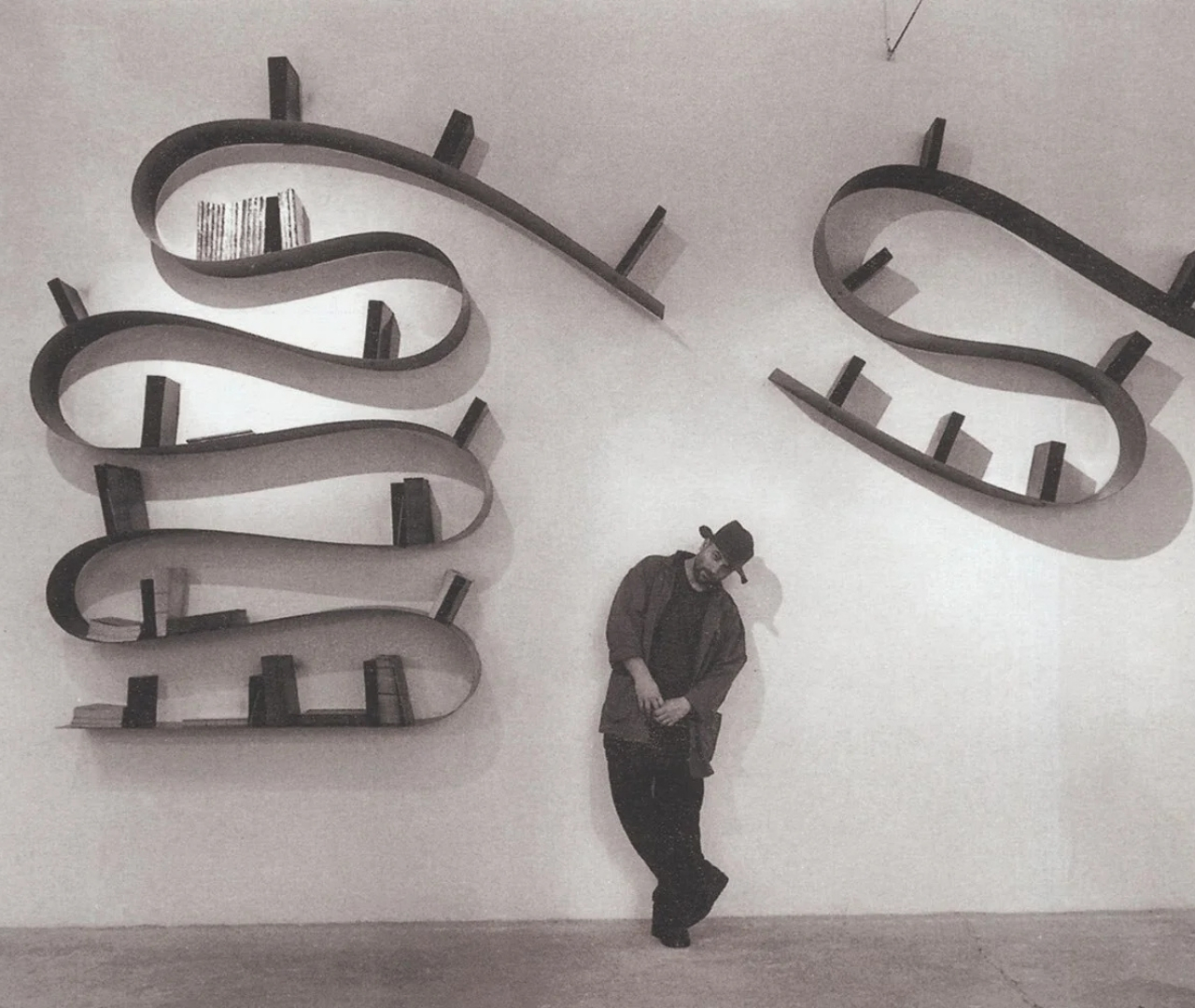
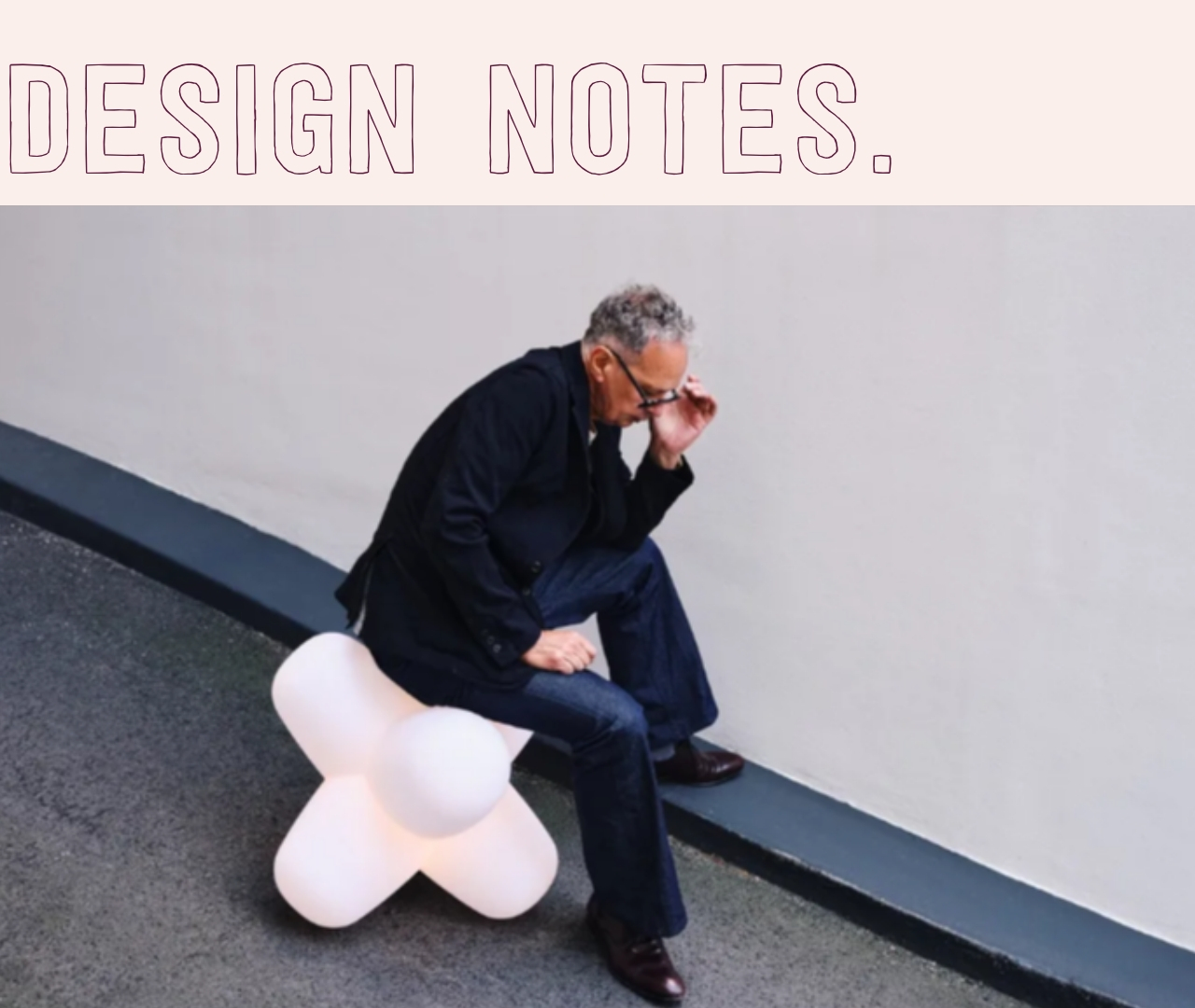
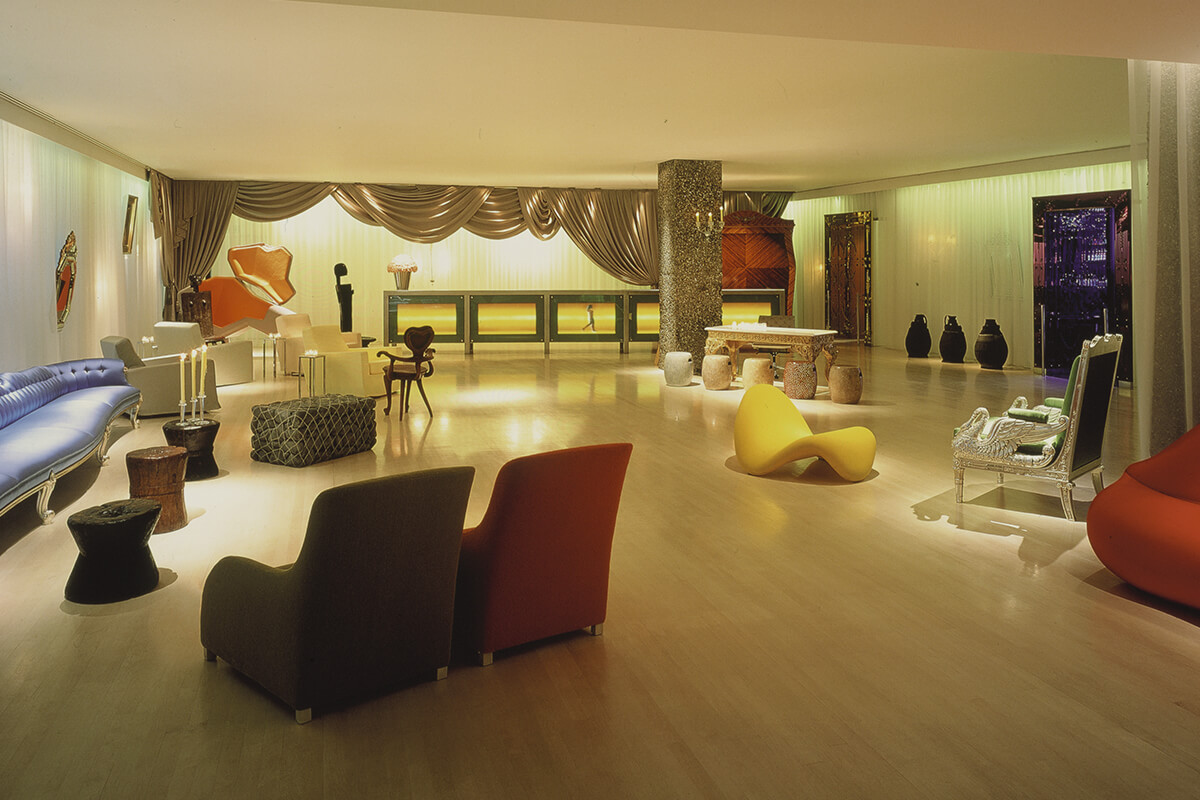
Ron Arad was creating extraordinary sculptural pieces, challenging our expectations of what a home storage could look like with the iconic bookworm shelf. Philippe Starck brought wit, theatricality and futuristic shapes to everyday objects, while Tom Dixon was experimenting with welded metal, industrial materials and wonderfully unconventional forms. His iconic Jack light, a glowing polyethylene object that could double as a seat, perfectly captured the playful, experimental mood. These designers made furniture feel exciting, rebellious and almost like collectible art.
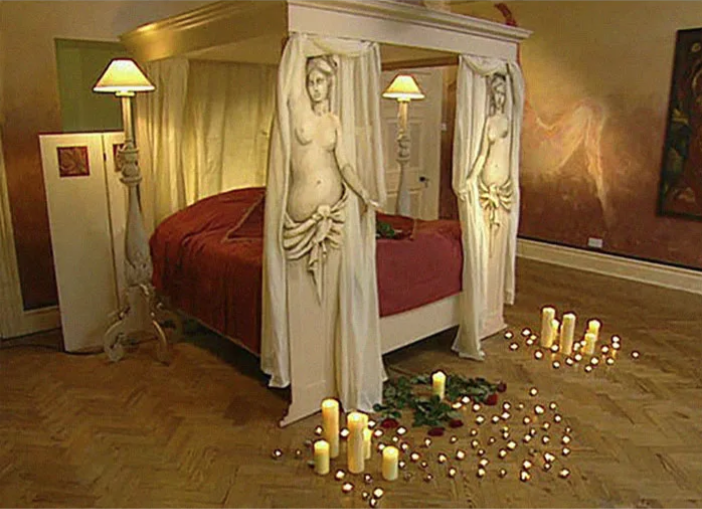
And who remembers BBC's Changing Rooms? Suddenly the nation was armed with MDF, staple guns and an alarming confidence in their own DIY abilities. Some results were more successful than others, but I loved that decorating had become something people felt empowered to experiment with.
What can we learn from the 90s today?
What fascinates me is that so much of this is still with us. Vintage furniture, heritage florals, industrial materials, playful shapes and expressive colour are all still finding their way into our homes.
But I think what I miss is the attitude.
The 90s felt pioneering, brave and wonderfully eccentric. There seemed to be more enthusiasm for creating something original than worrying about whether it was tasteful. Although I might be wearing enormously rose-tinted glasses. I was young, didn't have a mortgage and could recover from a night out in approximately four hours. Life was bound to feel rather fabulous.
Still, what I take from that decade is the importance of creative freedom. Whether you were embracing romantic florals, industrial grunge or immaculate minimalism, there was room for different ideas about what made a home beautiful.
And isn't that still the most exciting thing about decorating? Not following somebody else's formula, but having the confidence to create a home that feels like you.
My little challenge for you this week: think back to your own 90s interiors. What colours, patterns and pieces of furniture do you remember? Were you embracing Laura Ashley florals, minimalist loft living or enthusiastically rag rolling the sitting room? And we haven't even touched on inflatable furniture!
I'd love to hear your memories in the community chat. Bonus points for photographic evidence, particularly if it involves a wallpaper border!
Love,
Sophie x
THE EXHIBITION
If you are in London I really recommend The 90's Art and Fashion exhibition. I loved it and found it deeply nostalgic and fascinating. My boyfriend who is in his 60's though whipped round it in ten minutes, so I guess it all depends if theis decade resonates with you! There have been plenty of mixed reviews.
The show is at The Tate Britain and open until 27th February 2027. You can find out more here.

Responses